

Research at Linköping university
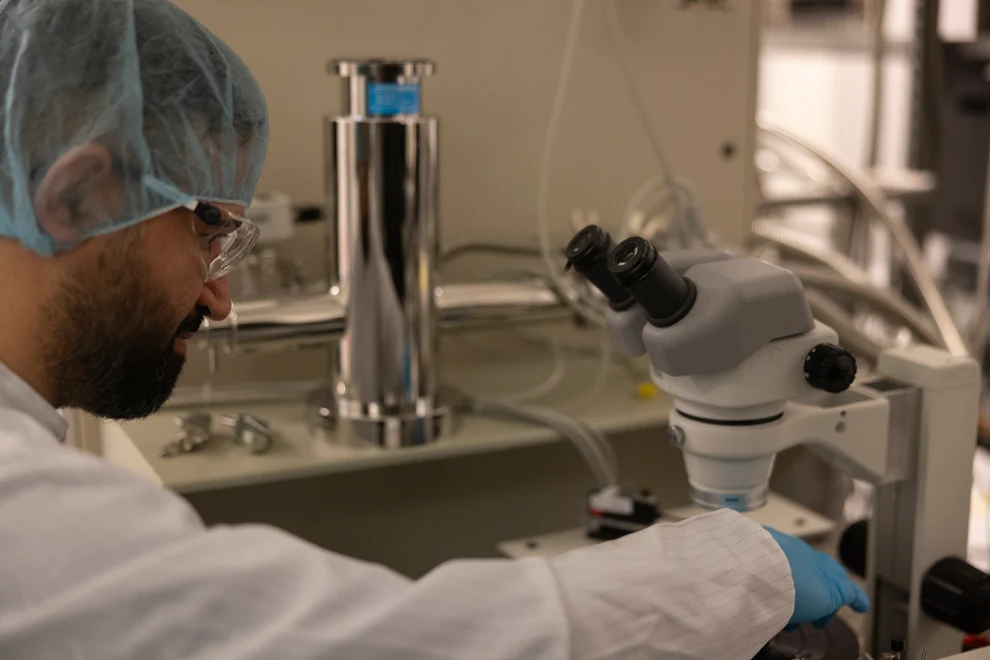
Linköping University excels in energy, battery technology, energy systems, and environmental techno logy, with strong expertise in energy storage, power optimization, and sustainable materials such as lignin-based electrodes. The research is interdisciplinary, connecting technology, systems analysis, and environmental impact. Collaborations with industry — such as Siemens Energy — strengthen applied outcomes.
Education
Linköping University has about 45,000 students across four campuses, including ca 20 000 distance and off-site learners. The university offers 135 degree programs — 32 of which are international — and about 700 standalone courses. With exchange agreements with 400 universities in 50 countries, LiU hosts around 1,700 international students annually and awards about 2,600 bachelor’s and 3,100 master’s degrees each year. Linköping University is the only university in Sweden to offer an English taught civil engineering programme with an international profile and inbuilt studies abroad. Since many years Linköping University ranks number one in Sweden on both having the highest percentage of students successfully entering the job market upon graduation and doing it quickly.
Research and doctoral training
The university has 364 professors and 1,300 doctoral students. On average, 28 licentiates and 161 PhDs graduate each year, reflecting the strong research environment and active doctoral training.
Relevant departments
Several departments conduct research and education directly relevant to the energy sector, contributing expertise in environmental technology, circular economy, and energy systems:
- Department of Management and Engineering (IEI) includes Energy systems, industrial economics, industrial and urban symbiosis, and environmental technology
- Department of Physics, Chemistry and Biology (IFM) conducts research on materials and components for electronics and photonics, such as LEDs, solar cells, and spintronics
- Department of Electrical Engineering (ISY) is active within power supply systems, sensor readout electronics, analog/digital systems, and low-power wireless sensors
- Department of Science and Technology (ITN) Includes the Laboratory of Organic Electronics (LOE), a world-leading research hub on materials and techniques combining electronics with organic, often bio-based, materials — applicable in energy and battery technology
- Tema Environmental Change (Tema M) conducts interdisciplinary research on energy and environment in society, focusing on the social, political, and cultural dimensions of the energy transition.
Senast uppdaterad